From Runway to Street: Mapping The Row’s Sartorial Progression
This label inhabits a peculiar but coveted position in fashion. Founded by Mary-Kate and Ashley Olsen in 2006, the label first emerged as a hushed rebuttal to the din of celebrity-driven labels and has developed into one of the most powerful voices in low-key luxury. You won’t find a shouting logo on any bag or an obvious brand mark on a lapel, but insiders always know. In Paris, The Row’s runway shows are known for being famously spare and intentional, frequently stripped of music or spectacle so the garments and accessories can speak for themselves. That very restraint now serves as the label’s boldest declaration. Charting how that runway austerity has carried over into demand on the street — most notably around row bags and row handbags — shows you almost everything about where the industry is headed by 2026.
What lends this path its intrigue is the divide separating runway drama from day-to-day practicality. Many houses show clothes that never leave the runway intact; The Row does the opposite. From the very start, its collections are designed to be worn, carried, and revisited season after season. This philosophy has turned the row fashion approach into a textbook example of longevity outranking novelty, and it shows most clearly in the brand’s handbag line — now the most searched, discussed, and resold category in its catalogue.
The Early Years: Minimalism as Rebellion
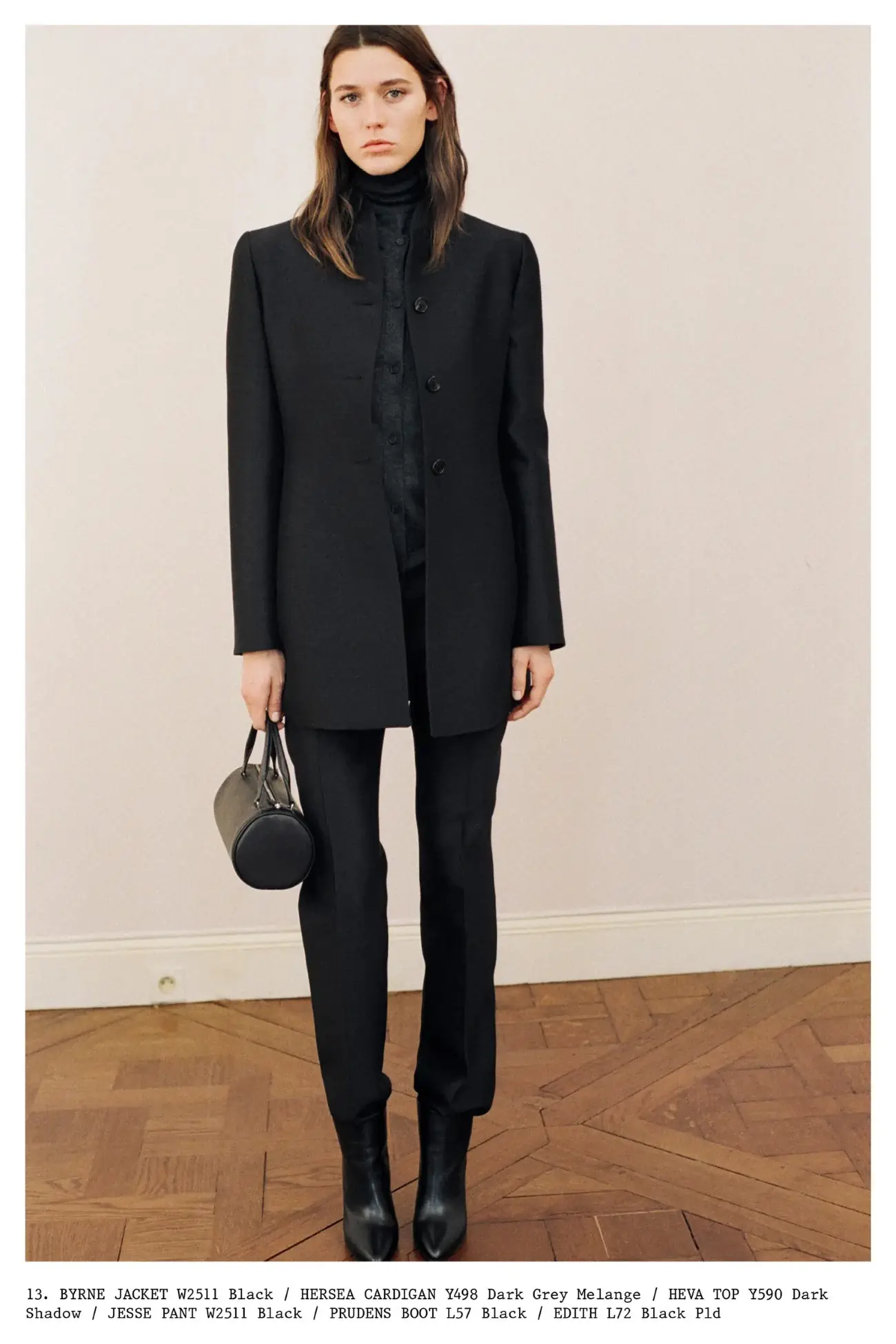
When The Row launched, minimalism in fashion was not the dominant mood it is now. That era, the mid-2000s, was anything but quiet: logos, ornamentation, low-rise silhouettes everywhere. In contrast to that noisy climate, the Olsens debuted tailored trousers, logo-free leather goods, and a color scheme that stuck closely to black, cream, and camel. It took six years for the brand to earn real critical momentum, as fashion editors gradually came to see that its stripped-down construction reflected not a lack of ambition the row bags white top handle but a wholly different form of craftsmanship.
Those early row bags mirrored this very same philosophy. You wouldn’t find flashy hardware or monogrammed canvas, just sleek silhouettes and dense, premium leather. It stood as a calculated shift away from the “it bag” era, when obvious branding was the chief engine of demand. The brand gambled that buyers would, in time, tire of loud status signals and start craving subtlety instead. The wager proved successful, albeit slowly, since it took close to a decade before the wider industry caught up to the brand’s vision.
Stylists and editors had, by the early 2010s, grown devoted to the label closely, prizing fit and material above branding. Difficult to find and rarely discounted, the pieces stayed expensive, which only heightened their exclusivity. For almost twenty years, this approach to limited supply has remained largely intact, clarifying why an authentic markdown event is even now seen as uncommon rather than an annual given.
Cult Handbags and the Margaux Effect
If there is a solitary accessory responsible for moving The Row from under-the-radar label to mainstream obsession, it’s the Margaux tote. Clean-lined, fuss-free, and easy to spot to those with an eye for such things, the Margaux turned into shorthand for low-key luxury. Queries about where to buy the row margaux bag spiked repeatedly between 2019 and 2023, and by 2026 it continues to be one of the most sought-after styles among personal shoppers and resale platforms alike.
What makes the Margaux appealing lies in its adaptability. It comes across as a work bag, a travel piece, and an everyday off-duty bag depending on how it’s worn, which accounts for why it routinely features on lists of the best row bags. Unlike many designer totes that prioritise form over usability, the Margaux was constructed to offer genuinely usable interior space, a detail practical buyers value just as much as aesthetes do.
Aside from the Margaux, other designs too have attained cult-like standing. The Row’s smaller top-handle bags and soft-structure shoulder styles frequently show up in round-ups covering the best row bags of recent years. What unites them isn’t a single silhouette but a consistent design language: understated hardware, considered proportions, and leather that ages well and gains character rather than deteriorating. As a result, the resale market for row bags notably strong — buyers hold onto them rather than flipping them quickly, which maintains tight supply alongside steady demand.
Reading the Numbers: Popularity and Pricing
Data from resale platforms and search trend trackers offers a useful, non-anecdotal view of how The Row’s accessories business has developed. Demand for row tote bags has risen consistently rather than surging at random, which is unusual in a fashion market often driven by viral moments. That steadiness suggests the appeal is foundational — grounded in ongoing loyalty and sustained satisfaction — rather than trend-driven hype that fades within a season.
The table below lays out general positioning across three frequently cited style categories within The Row’s handbag range, based on openly available characteristics rather than fabricated numbers.
| Silhouette Classification | Where It’s Usually Used | Aftermarket Market Appetite | Signature Aesthetic Element |
|---|---|---|---|
| Rigid Totes (e.g., Margaux) | Work, commuting, everyday use | Elevated | Defined form accented by minimal hardware |
| Soft Shoulder-Style Bags | Off-Duty looks and evening wear | Fairly Strong to High | Relaxed leather form with discreet strap styling |
| Top-Handle Bags in Compact Form | Quick Outings and layered outfits | Middling | Downsized dimensions with precise stitching |
For anyone doing a row bags overview before buying, a breakdown like this is useful, since the categories differ in terms of everyday practicality and resale value over time. The structured-tote category tends to hold value most reliably because they’re the most photographed and requested, while compact top-handles are prized more for adaptability than resale upside.
Candid Fashion Photography’s Part in Fueling Demand
While runway shows sets direction, it’s street style that solidifies a bag’s cultural relevance. Street-style shooters and paparazzi have spent years documenting editors, stylists, and off-duty models carrying the row bag of the moment outside shows in Paris, Milan, and New York. Such unposed photos have arguably done more to stoke interest in the row handbags than official ad campaigns ever could, because they show the products functioning in everyday settings — slung over a shoulder, carried underarm, worn with jeans instead of couture.
This unforced exposure has generated a feedback loop. As these candid photos spread more widely, more shoppers search for specific styles, which drives up resale prices, which in turn increases the perceived exclusivity of owning the bag in the first place. It’s a self-reinforcing cycle that few brands manage to sustain for more than a few seasons, yet The Row has sustained it for nearly two decades without needing flashy marketing campaigns to prop it up.
Style critics have also pointed out that The Row seldom leans on gifting bags to celebrities or influencers in the way many contemporary labels do. Much of the visibility appears organic, built from authentic, self-funded buys rather than sponsored deals. Whether or not every instance is unpaid, the brand’s public perception benefits from seeming genuine rather than commercially driven, which matters enormously to the quiet-luxury shopper who is often wary of blatant promotion.
The Row’s Position Heading Into 2026
Entering 2026, The Row shows little indication of loosening its grip on the quiet-luxury segment. If anything, competitors have spent the last few years attempting to copy its formula — understated branding, elevated materials, pared-back runway shows — with mixed success. Hardly any have equaled the consistency of The Row’s design language across seasons, which remains its greatest competitive advantage.
Fashion followers on the lookout for a true row sale should realize that reductions are rare and typically minor when they take place, generally associated with seasonal clearance events rather than aggressive discounting.
That limited availability is deliberate and has maintained the label’s brand identity unshaken even as the wider luxury sector have struggled against rising price pressures and changing buyer attitudes.
What lies ahead is ongoing growth of the accessories range, not sweeping transformation. The label’s expansion strategy has long favoured gradual improvement over disruption, layering in new color variations or understated design refinements to tried-and-true favorites instead of pursuing passing fads. For those building a enduring closet around enduring essentials, that reliability is exactly what matters — which is why the label’s evolution from runway curiosity to everyday essential keeps feeling less like a fleeting trend and more like an enduring transformation in how quiet luxury is understood.